You spend your days caring for everyone else. But who’s taking care of you?
For doctors, nurses, physician assistants, therapists, and other healthcare professionals, caring for others isn’t just a job. It’s often a calling.
You entered the medical field because you wanted to make a difference. You wanted to help people heal, improve lives, and be there for others during some of their most vulnerable moments.
But somewhere between the long shifts, demanding schedules, emotional conversations, and endless responsibilities, you may have started feeling like you have nothing left to give.
Maybe you’re more irritable than usual. Maybe you’re exhausted even after a full night’s sleep. Or perhaps you’ve started questioning whether you even enjoy the career you once felt so passionate about.
These experiences may be signs of burnout.
As a therapist serving Sarasota and Lakewood Ranch, Florida, I believe it’s important for healthcare professionals to recognize the warning signs of burnout before the effects begin spilling into every area of their lives.
Because taking care of your mental health isn’t selfish. It’s essential.
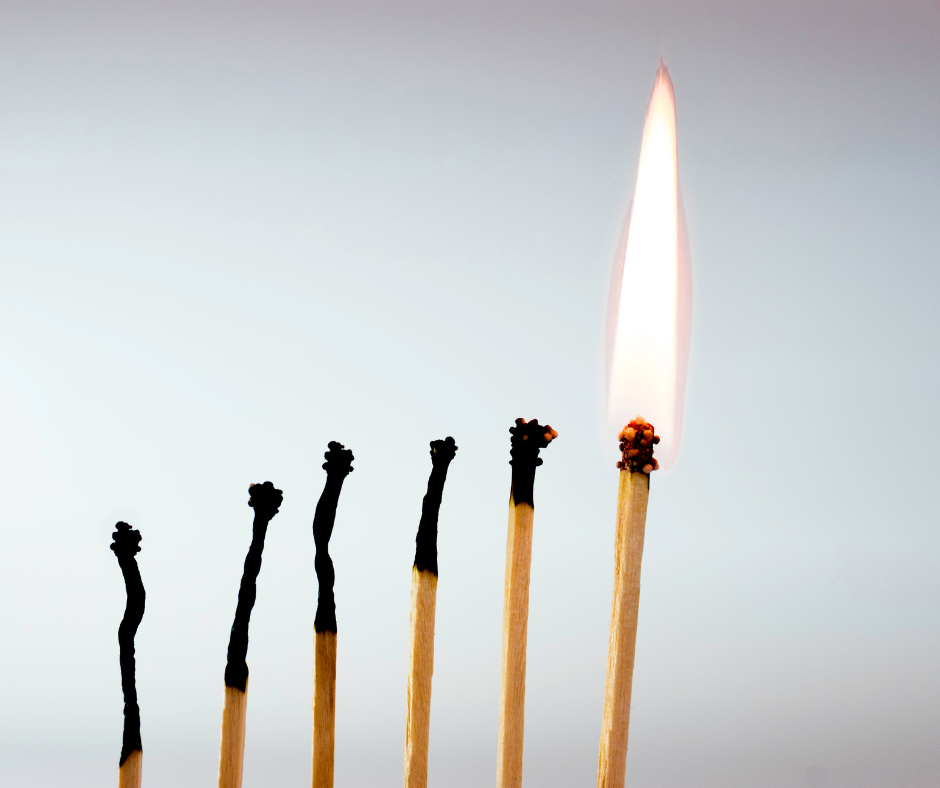
What Is Burnout in Healthcare Professionals?
Burnout is more than feeling tired after a long shift.
The World Health Organization describes burnout as an occupational phenomenon resulting from chronic workplace stress that hasn’t been successfully managed.
It is characterized by three dimensions:
- Emotional and physical energy depletion: Feeling exhausted and unable to recover between workdays.
- Increased mental distance or cynicism toward work: Becoming emotionally detached, negative, or less connected to your responsibilities.
- Reduced professional efficacy: Feeling less effective, accomplished, or confident in your work.
For medical professionals, burnout can develop gradually.
Long hours, staffing shortages, administrative demands, emotionally difficult patient interactions, and pressure to perform can create a work environment where chronic stress becomes normalized.
And because healthcare workers are often accustomed to putting others first, they may overlook their own warning signs.
7 Common Signs of Burnout in Medical Professionals
1. You’re Constantly Exhausted, Even After Resting
There’s a difference between being tired after a demanding day and feeling like you’re running on empty every single day.
One of the most common signs of healthcare burnout is persistent exhaustion that doesn’t seem to improve with normal rest.
You might notice:
- Waking up already feeling tired
- Struggling to find motivation before your shift
- Feeling mentally drained after routine patient interactions
- Spending your days off recovering instead of enjoying life
- Having little energy left for your family, friends, or personal interests
When work consistently consumes your emotional and physical energy, it becomes difficult to maintain balance outside the workplace.
What to recognize: If rest no longer feels restorative, it may be time to evaluate the demands being placed on you and the support you have available.
2. You’re Becoming Emotionally Detached From Patients
You once felt deeply connected to your patients and the work you were doing.
But lately, you may find yourself going through the motions.
Conversations that once felt meaningful now feel like another task to complete. You might notice yourself becoming less emotionally engaged or increasingly frustrated by patient needs.
This emotional distancing can be a response to prolonged stress.
When you’re constantly exposed to the needs, pain, and emotions of others, your mind may begin creating distance as a way of coping.
While occasional emotional fatigue is understandable, ongoing detachment can be an important warning sign of burnout.
It doesn’t mean you’re an uncaring healthcare professional.
It may mean you’ve been giving more emotionally than you’ve had the opportunity to replenish.
3. Small Things Are Making You More Irritable
Have you noticed yourself becoming frustrated over things that wouldn’t normally bother you?
Maybe you’re more impatient with coworkers, easily overwhelmed by schedule changes, or snapping at loved ones after work.
Irritability is an often-overlooked sign of chronic stress.
When your emotional resources are depleted, your ability to manage everyday frustrations can become more limited.
You might find yourself:
- Losing patience more quickly
- Feeling overwhelmed by minor inconveniences
- Becoming frustrated with coworkers or patients
- Experiencing tension in your personal relationships
- Feeling guilty about how you’ve reacted to others
Sometimes the people closest to us experience the effects of our burnout before we fully recognize what’s happening.
If you’re noticing changes in your emotional responses, consider what your stress levels may be communicating.
4. You’re Questioning Your Career or Sense of Purpose
One of the more difficult experiences associated with burnout is losing the sense of fulfillment you once found in your profession.
You may have spent years studying, training, and building a career in healthcare.
But now you’re wondering:
“Is this really what I want to do for the rest of my life?”
“Why don’t I feel passionate about my work anymore?”
“Am I even making a difference?”
These thoughts can feel especially discouraging when your career has become a significant part of your identity.
Burnout can make meaningful work feel exhausting, repetitive, or unfulfilling.
Before making major career decisions, it may be helpful to explore whether your dissatisfaction is connected to the profession itself or the chronic stress surrounding your current work environment.
Sometimes you don’t need to abandon your calling. You need support, healthier boundaries, or changes in the conditions under which you’re working.
5. You’re Struggling to Concentrate or Make Decisions
Healthcare professionals are expected to make important decisions, often under pressure.
But prolonged stress and exhaustion can make concentration, memory, and decision-making feel more difficult.
You may notice:
- Difficulty focusing on tasks
- Feeling mentally foggy
- Becoming overwhelmed by routine decisions
- Forgetting details you would normally remember
- Struggling to transition between responsibilities
These experiences can be particularly concerning in medical settings where attention and accuracy are essential.
While difficulty concentrating can have several causes, including sleep problems and medical conditions, it may also accompany chronic occupational stress.
Recognizing these changes early is important for your own well-being and the quality of care you provide.
6. Your Work Stress Is Affecting Your Personal Relationships
Burnout doesn’t always stay at work.
You might spend your entire day communicating with patients, collaborating with colleagues, and responding to the needs of others.
By the time you get home, the last thing you want to do is have another conversation.
You may begin withdrawing from friends, canceling plans, or feeling emotionally unavailable to your spouse or family.
Even activities you once enjoyed may begin to feel like additional responsibilities.
Over time, this can create feelings of isolation and disconnection.
Healthy relationships are an important source of emotional support, but burnout can make maintaining those relationships feel difficult.
If you’re consistently giving your best energy to work and leaving very little for your personal life, it’s worth paying attention to that pattern.
7. You’re Experiencing Physical Symptoms of Chronic Stress
Burnout isn’t just an emotional experience.
Chronic stress can also affect how you feel physically.
Healthcare professionals experiencing significant workplace stress may report symptoms such as:
- Frequent headaches
- Muscle tension
- Difficulty falling or staying asleep
- Changes in appetite
- Digestive discomfort
- Persistent fatigue
- Feeling physically tense or unable to relax
These symptoms can have many causes and shouldn’t automatically be attributed to burnout.
If you’re experiencing new, persistent, or worsening physical symptoms, it’s important to speak with a qualified medical professional.
Your body may be communicating that something needs attention.
Why Healthcare Professionals Are Especially Vulnerable to Burnout
Healthcare professionals work in environments where the emotional and physical demands can be unusually high.
Unlike many other professions, medical workers may regularly encounter suffering, trauma, grief, and life-altering decisions.
They may also face staffing limitations, unpredictable schedules, documentation requirements, and pressure to maintain high standards of patient care.
For some healthcare professionals, these demands can create an ongoing conflict between the level of care they want to provide and the resources available to provide it.
This can contribute to moral distress, frustration, and emotional exhaustion.
And when caring for others becomes central to your identity, acknowledging your own limitations may feel uncomfortable.
But being compassionate doesn’t mean having unlimited emotional capacity.
Even the most dedicated healthcare professionals need rest, boundaries, and support.
How to Begin Recovering From Healthcare Burnout
If you’re recognizing several of these signs, it’s important to understand that recovery isn’t simply about becoming better at managing stress.
Burnout is often connected to workplace conditions, and meaningful improvement may require both personal support and organizational changes.
Here are a few places to begin.
Evaluate Your Current Workload and Boundaries
Consider which responsibilities are contributing most significantly to your stress.
Are you regularly working beyond your scheduled hours? Taking on additional responsibilities? Feeling unable to disconnect from work?
When possible, discuss workload concerns with leadership, explore opportunities for additional support, and establish boundaries that protect your time outside work.
Make Rest and Recovery a Priority
Rest shouldn’t be something you earn only after reaching complete exhaustion.
Developing consistent sleep routines, taking available breaks, and protecting time away from work can support your well-being.
Recovery also means allowing yourself to participate in activities that bring enjoyment and fulfillment outside your professional responsibilities.
Reconnect With Your Support System
Burnout can make isolation feel easier than connection.
But supportive relationships can provide an important opportunity to process emotions, gain perspective, and feel understood.
Make space for relationships where you don’t have to be the person with all the answers.
Recognize That You Need Support, Too
Healthcare professionals are often comfortable being the ones providing help.
Receiving help can feel less familiar.
You may tell yourself that other people have it worse, that you’re simply going through a demanding season, or that you should be able to handle everything on your own.
But you don’t have to wait until you’re completely overwhelmed to seek support.
Consider Working With a Therapist
Therapy can provide healthcare professionals with a confidential, supportive space to process workplace stress, explore emotional exhaustion, and develop healthier coping strategies.
Individual counseling may help you:
- Recognize patterns contributing to chronic stress
- Develop healthier personal and professional boundaries
- Process emotionally difficult experiences
- Improve communication and relationship dynamics
- Explore feelings of guilt, perfectionism, or unrealistic expectations
- Reconnect with your values and priorities
Therapy cannot single-handedly resolve systemic workplace problems, but it can help you navigate their emotional effects and identify meaningful next steps.
Looking for Burnout Therapy in Sarasota or Lakewood Ranch, Florida?
If you’re looking for a therapist in Sarasota, Florida, or mental health counseling in Lakewood Ranch, individual therapy may help you explore healthier boundaries, manage emotional stress, and reconnect with what matters most to you.
You don’t have to reach your breaking point before asking for support.
Contact Meg Young, LCSW, to learn more about therapy services and take the next step toward prioritizing your mental health.